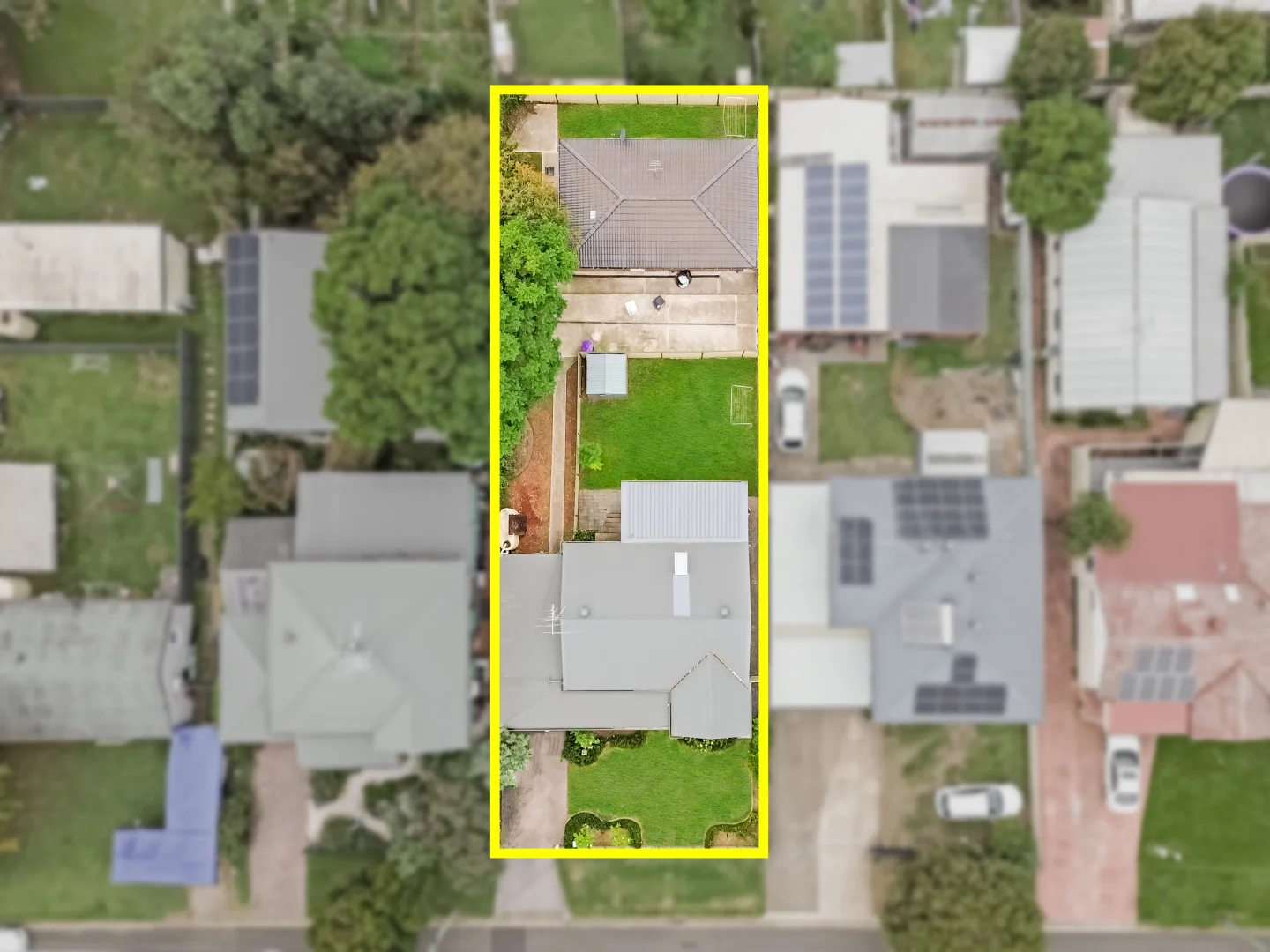
The strategy was to acquire a property with a dual-income structure already in place, rather than one to be built. On 664m², the site carries both a front house and a separate granny flat, meaning the asset was income-producing across two tenancies from settlement - no construction timeline, no approval risk, and no gap between purchase and full rental return.
Timing worked in our client's favour. The property was purchased post-Budget, at a point where comparable stock had been transacting at around $1.28m pre-Budget. We secured it at $1.2m - 6.3% below that market level - with both income streams already tenanted and verified.
As it stands, the property returns $630 per week from the house and $500 per week from the granny flat, totalling $58,760 per annum and delivering a 4.9% gross yield on the purchase price. That places the asset in a sustainable dual-income position immediately rather than on projection.
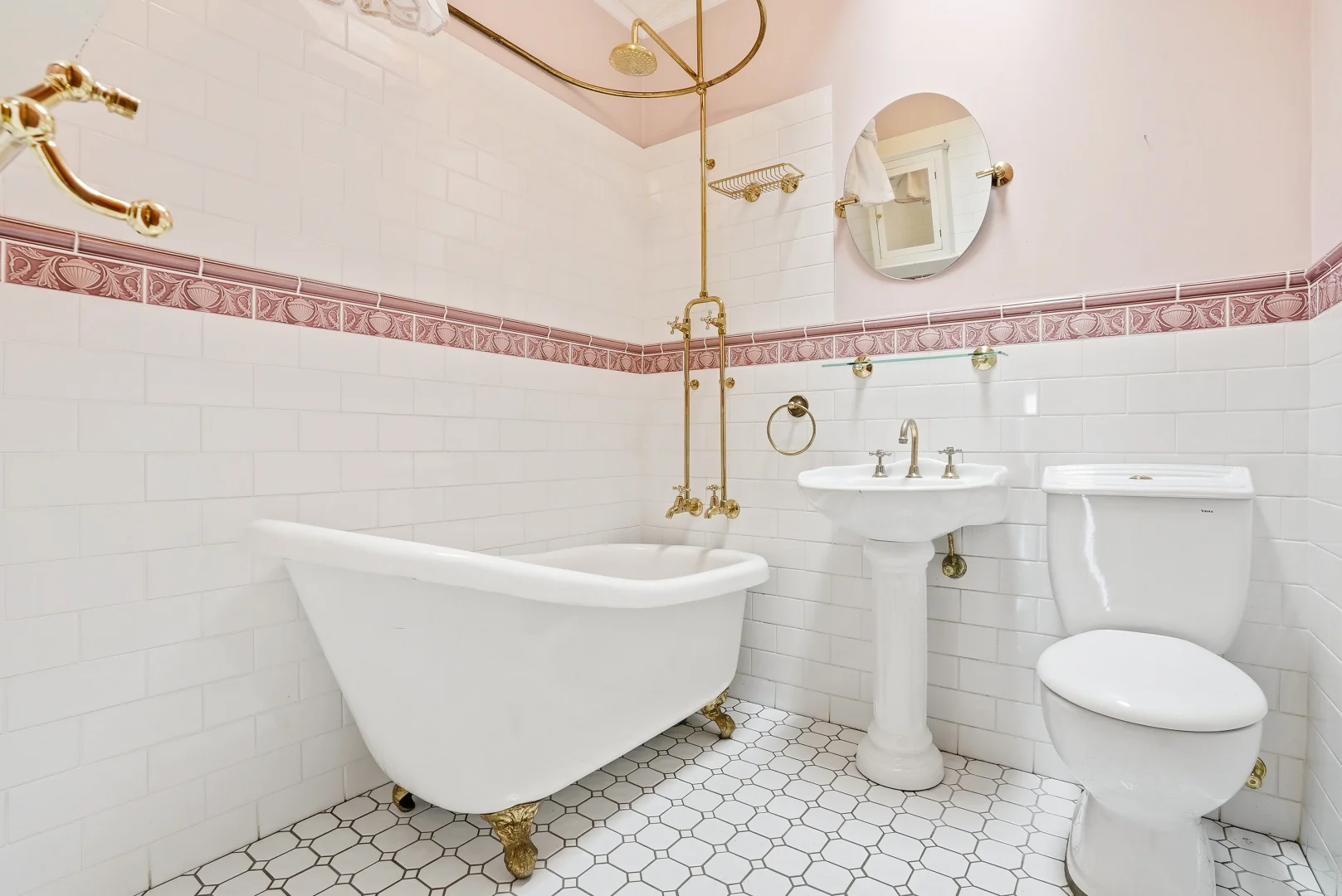
The add-value component is defined and costed. Approximately $40,000 in waterproofing works to the front house will lift both the achievable rent and the property's value on completion. This is capex-funded upside with a known scope of works - not speculative growth reliant on market movement.
Cambridge Park continues to attract investor attention for its rental demand and development profile. In this case, buying a property that was already performing, at a price below the prevailing market level, meant our client took on a defined improvement project rather than an unproven one.